

Where the Elbe River meets the North Sea lies the ancient city of Hamburg. A city-state, a port city, and the "Venice of the North" – multifaceted Hamburg is truly a gem of Germany. It is known not only for having one of the largest harbors in Europe but also for its beautiful old churches, unique museums, lush parks and gardens, numerous bars, and nightclubs. Hamburg is crisscrossed by dozens of canals with elegant bridges. The many incredibly beautiful places create a special atmosphere of an old yet eternally young city, attracting crowds of travelers.
Today’s Hamburg is an independent state and the second-largest city in Germany, home to one of the largest European ports. It is self-sufficient, vibrant, and attracts with its diverse cultural and landscape attractions, special old-world charm, and bold youthful spirit.
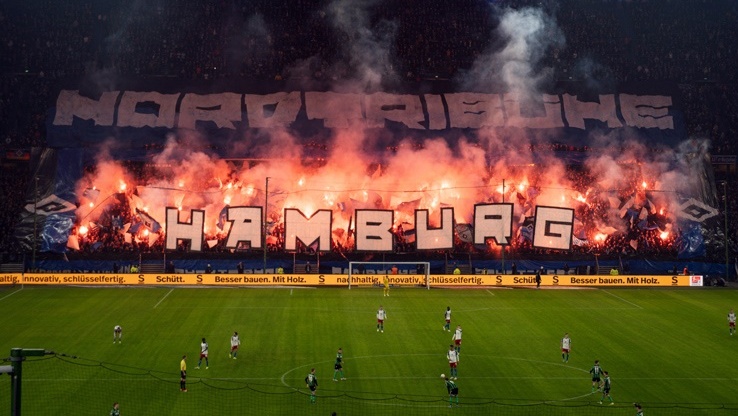
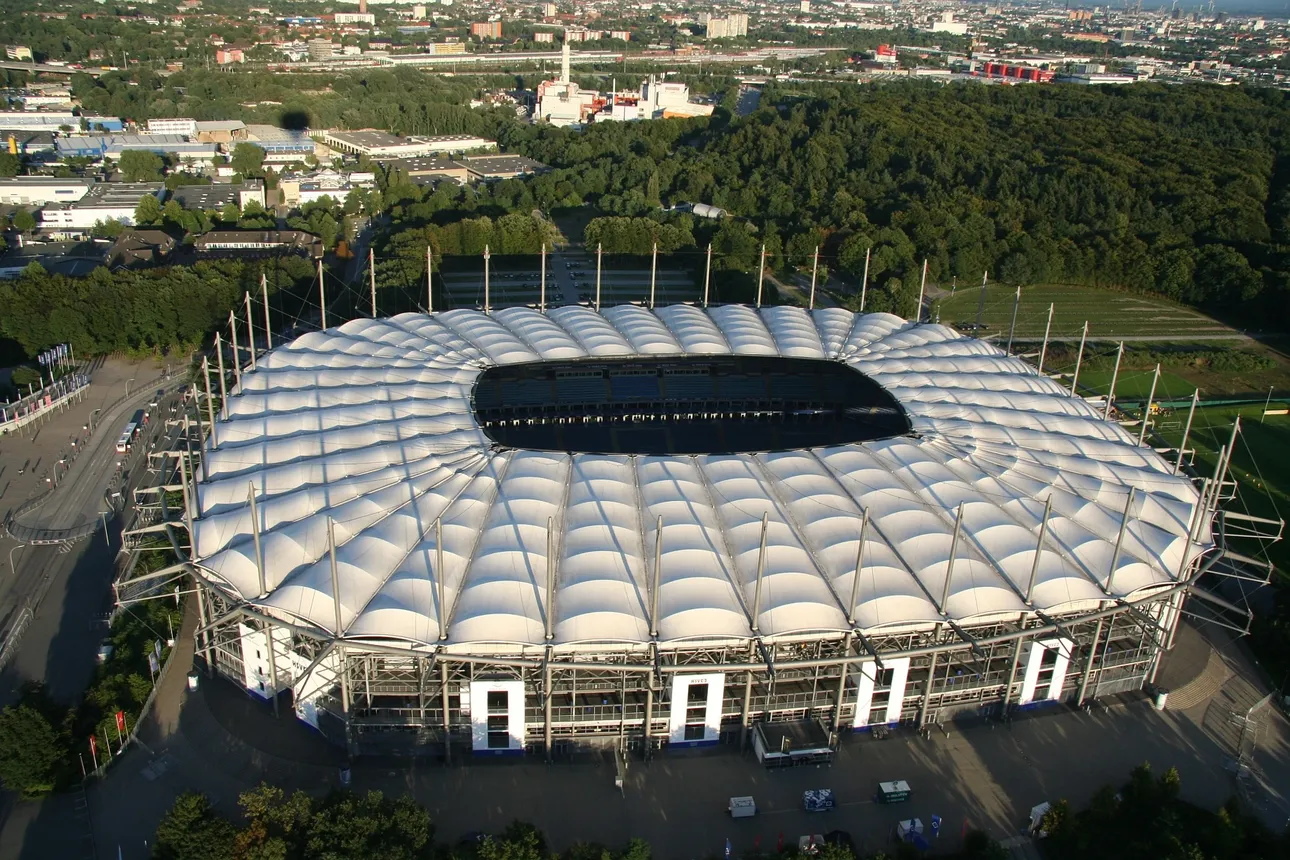
The "Volksparkstadion", home to "Hamburg", will host five Euro 2024 matches: Poland vs. Netherlands, Croatia vs. Albania, Georgia vs. Czech Republic, Czech Republic vs. Turkey, and a quarter-final game. This stadium is named after the park in the Altona district where it was built. In the past, it has hosted major tournaments: the 1974 World Cup, the 1988 European Championship, and the 2006 World Cup. The 2010 Europa League final was also held here. Right opposite the entrance to the "Volksparkstadion", you can see a giant foot to which flowers and various "Hamburg" memorabilia are still brought. This bronze monument is to the foot of the legendary Uwe Seeler, a talented footballer of the 50s and 60s, a true goal scorer who played for "Hamburg" for 19 years (1953-1972), playing 476 games and scoring 404 goals. For the West Germany national team, Uwe scored 43 goals in 72 matches. With the national team, he placed second in the 1966 World Cup and third in the 1970 World Cup.
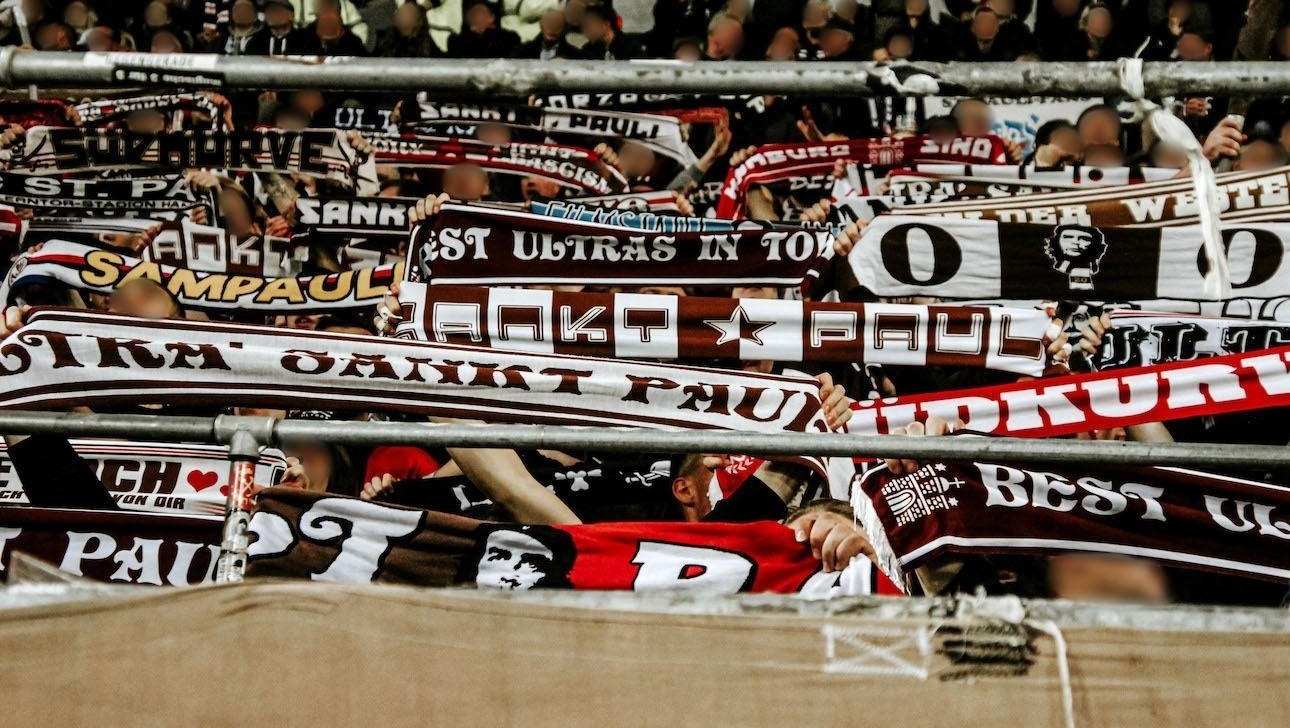
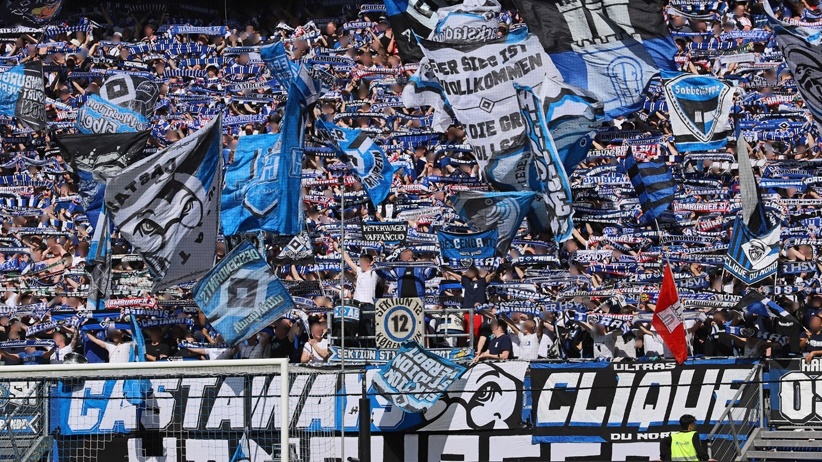
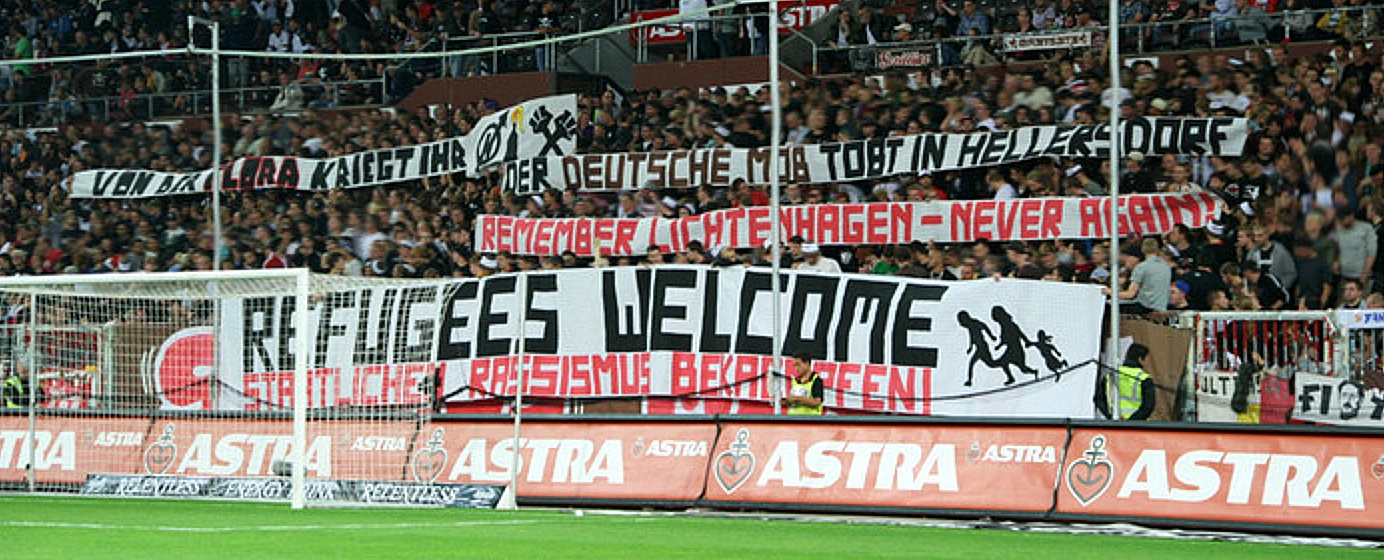
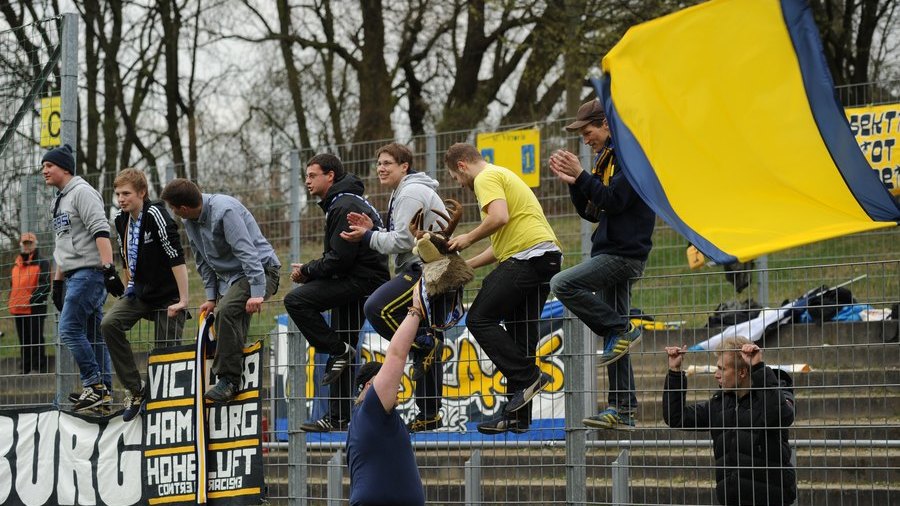
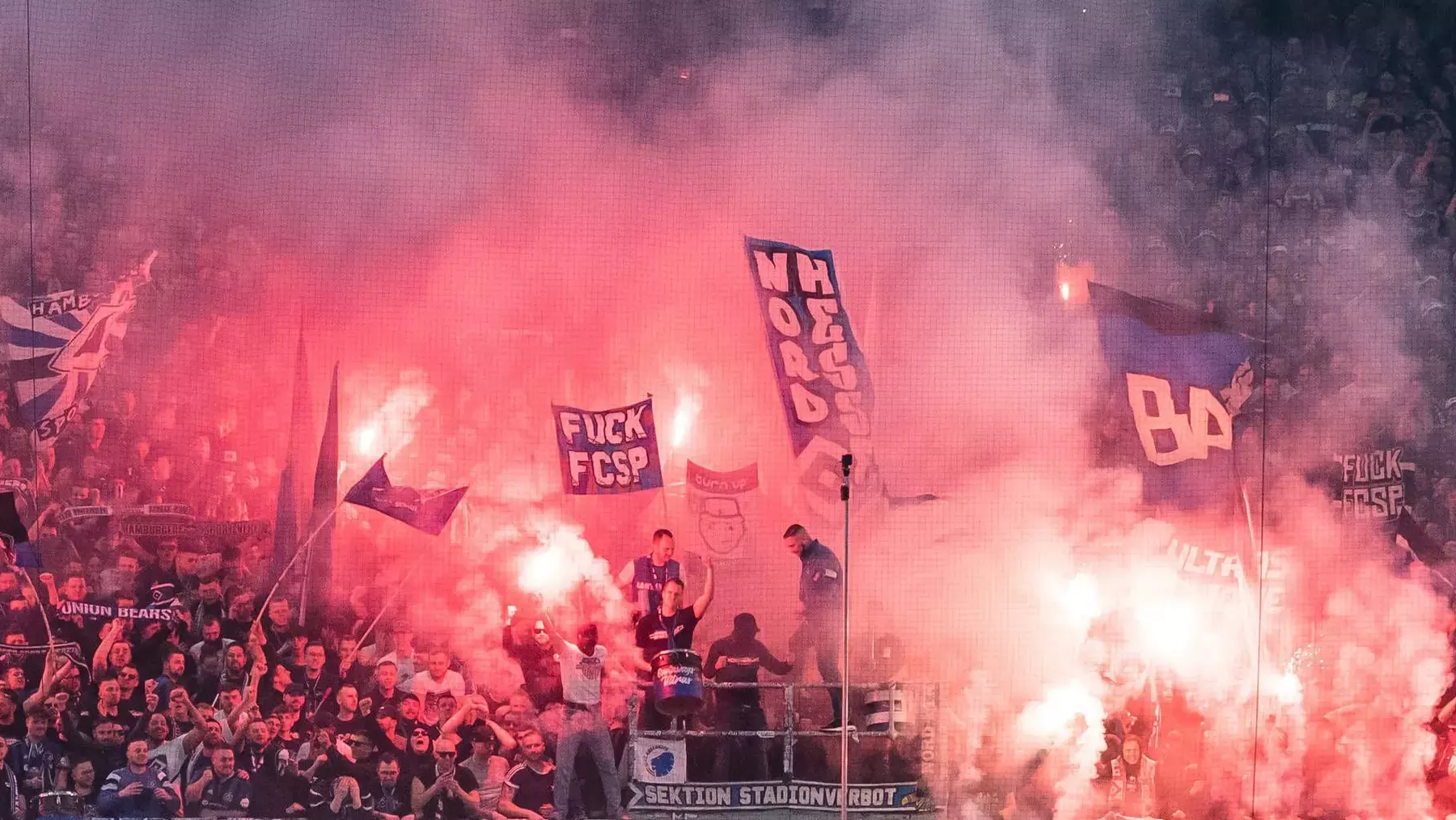
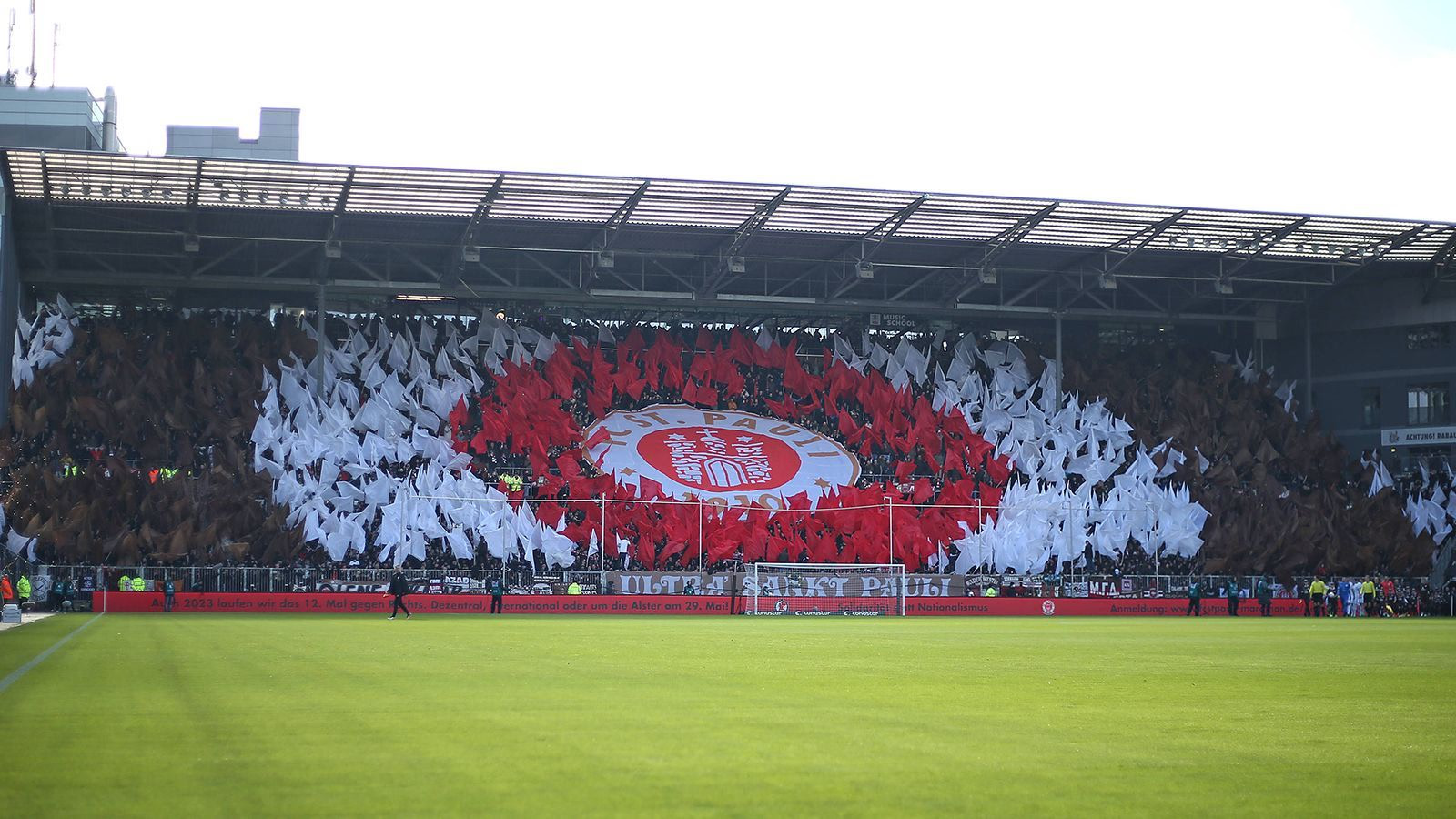
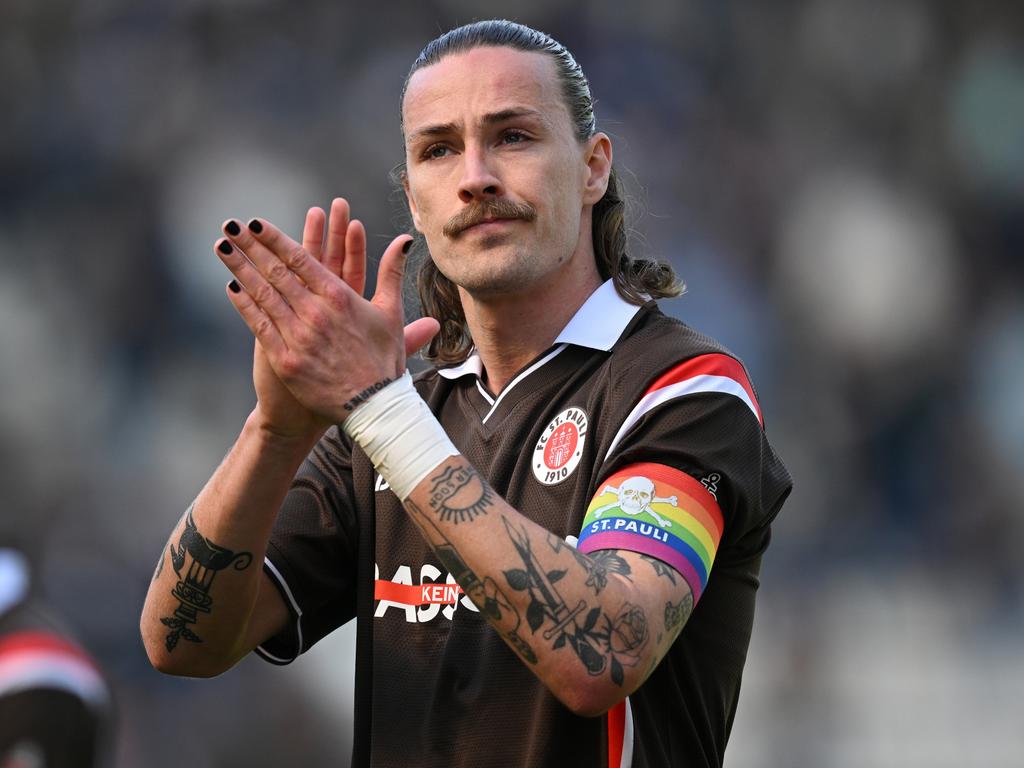
"Hamburg" and "St. Pauli" are the two main football clubs in Hamburg, whose fans have a fierce rivalry. "Hamburg" boasts 6 championship titles, 3 German Cups, victories in the 1977 Cup Winners' Cup, and the 1983 European Cup. "St. Pauli" has not won major titles but is known worldwide for its fans with far-left political ideology. Most of them consider themselves anti-racists, anti-fascists, anti-homophobes, and anti-sexists. This attracts some and repels others, leading to conflicts, especially during away matches. "St. Pauli" ultras have many friendly contacts with left-wing groups both in Germany and abroad. They are very creative in self-publishing, reflecting the club’s anti-establishment ethos. Many musicians in Hamburg support "St. Pauli", such as Boys Noize, a renowned electronic music artist and DJ. Small fan bases also exist for "Victoria" and "Altona". The former, in the form of Nordkaos Hamburg, positions itself as "absurd ultras", and "Victoria's" stadium is one of the oldest in the country, having hosted the German national team in the 1920s. Altona's stadium is also notable, especially for its analog scoreboard, where fans manually update the score.
The city of canals, majestic churches, unique museums, and magnificent parks holds many incredible wonders and fairy-tale discoveries. It is impossible to see all its attractions even in a week. Plan ahead and make a list of the places you most want to see and map out your tourist route accordingly.