

In western Germany, nestled in the picturesque valley between the Ruhr and Emscher rivers, lies the ancient city of Dortmund. Majestic churches and medieval buildings, beautiful parks and modern postmodernist structures, unique museums and exhibitions - the beautiful Dortmund has prepared many incredibly interesting places for tourists. It is easy to lose track of time here, be charmed by the enchanting atmosphere of the old town, and believe in a fairy tale. Usually, there are no noisy crowds of tourists in Dortmund, and the streets are often deserted. But everything changes during the matches of the football club "Borussia", which is dearly loved here. On these days, the streets are filled with fans, creating a festive atmosphere.
At the end of World War II, Dortmund was heavily destroyed. Many even believed that the city, with 98% of its territory lying in ruins, would be unable to recover. However, the high demand for coal and steel helped Dortmund rise again. By the end of 1945 - early 1946, all the mines and blast furnaces were operating. Ancient Dortmund quickly recovered and soon became one of the most beautiful and comfortable cities to live in Europe.
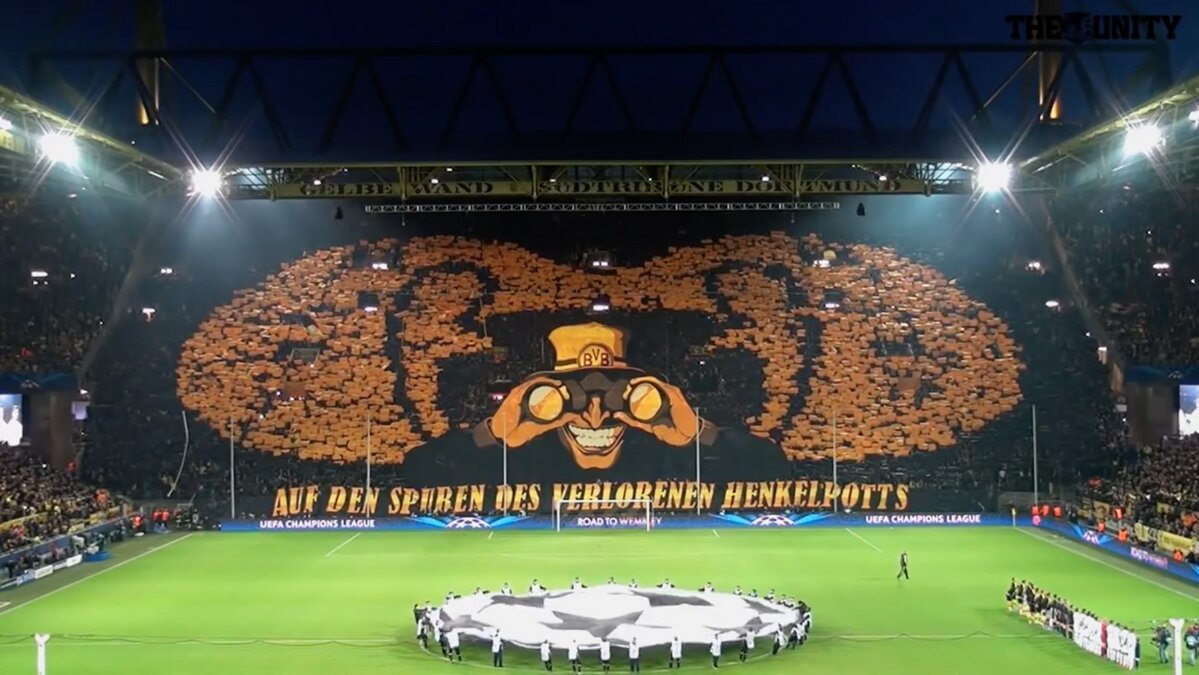
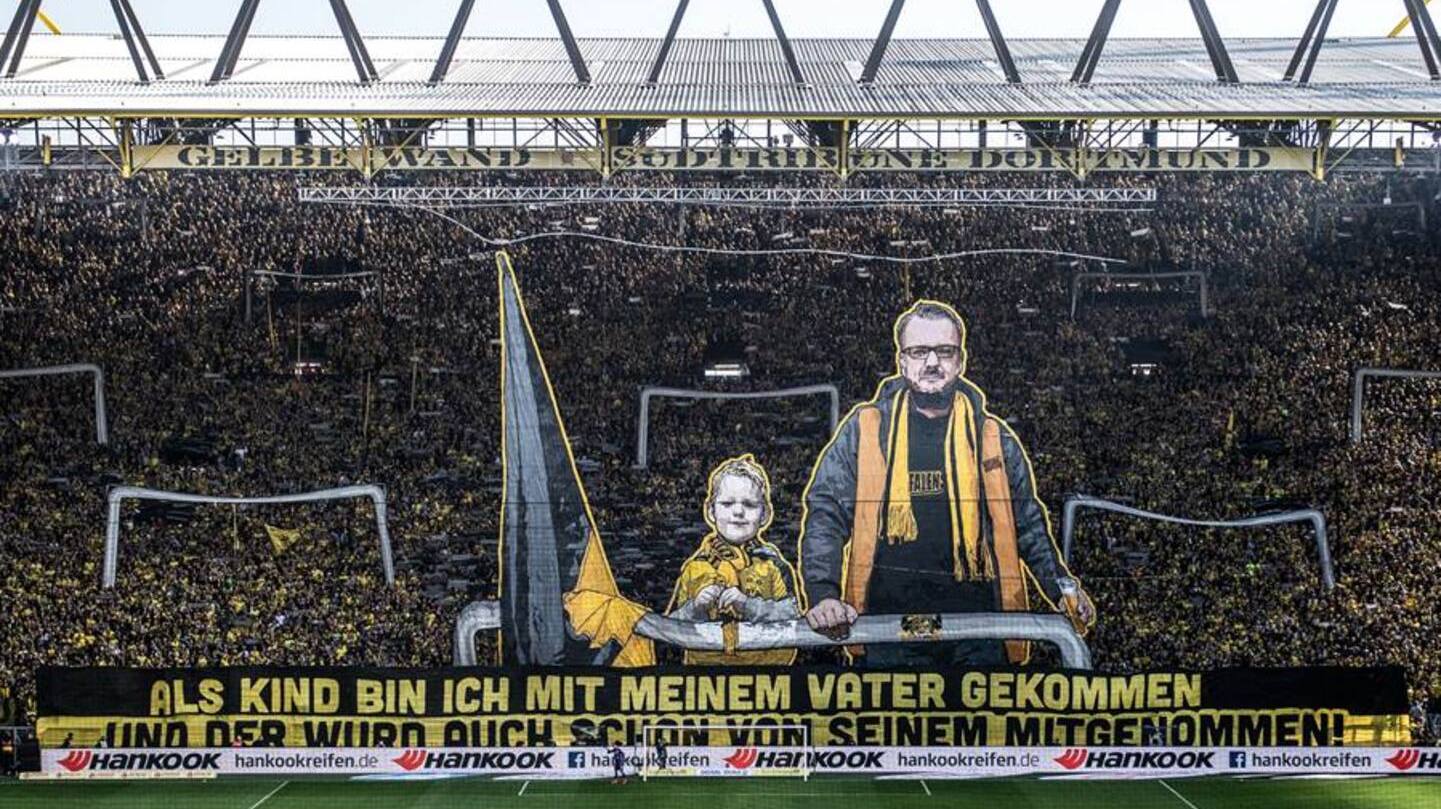
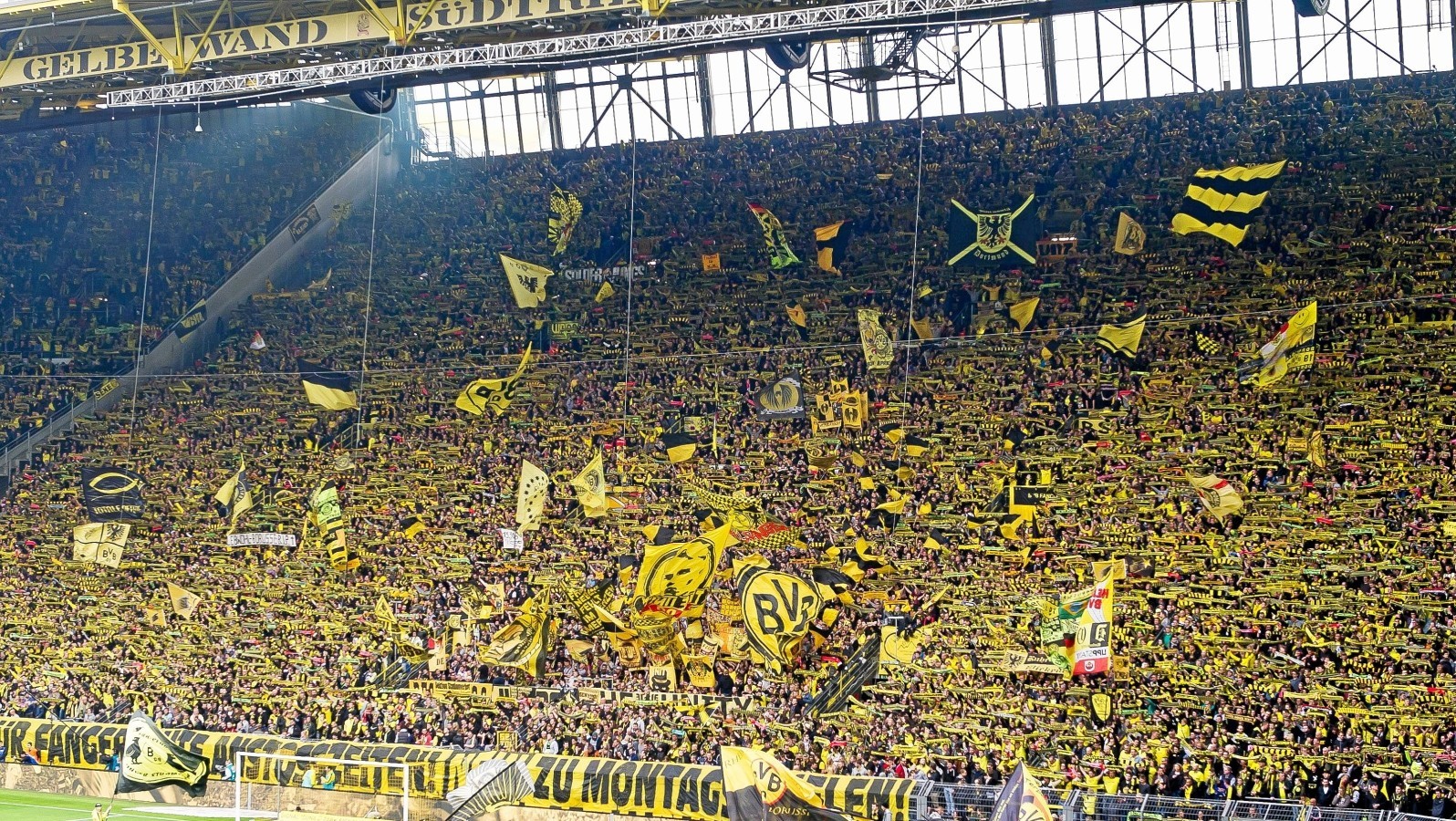
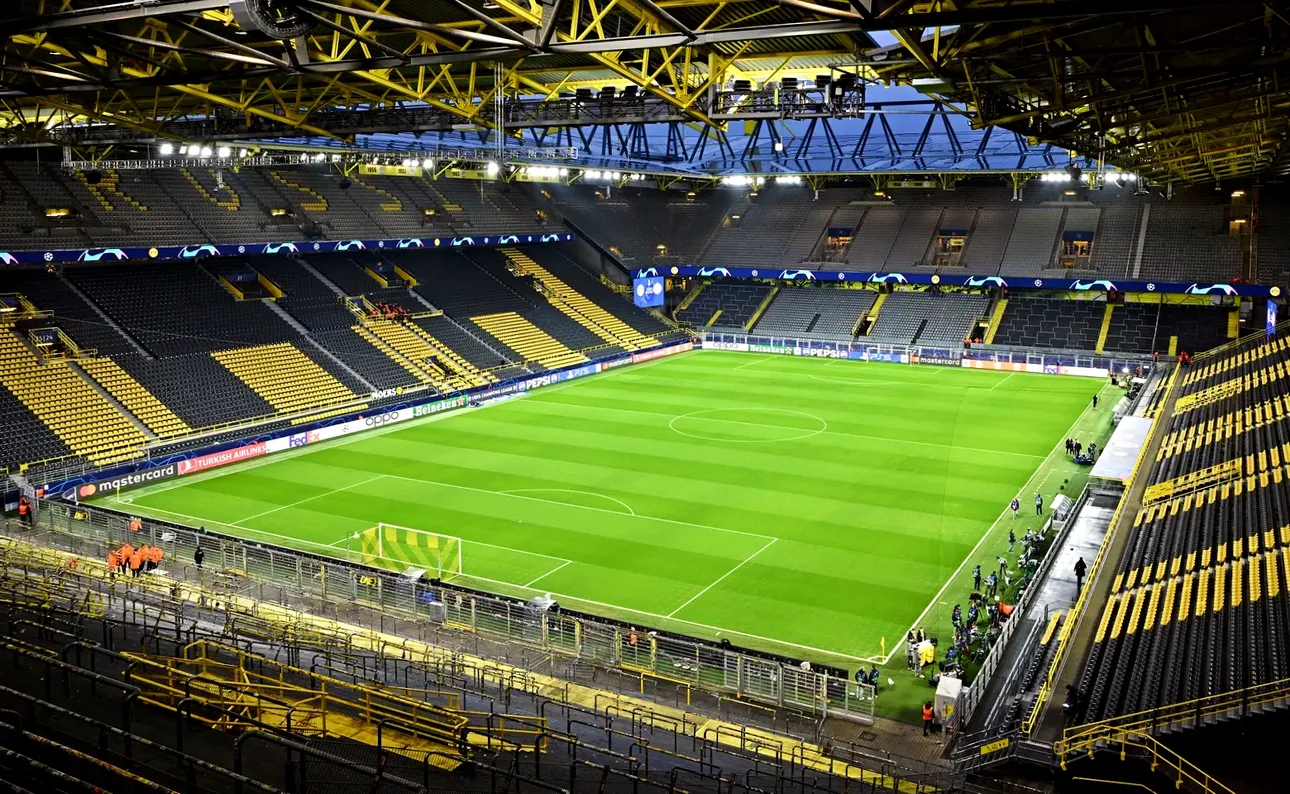
Six Euro 2024 matches will be held at the "Signal Iduna Park" or "Westfalenstadion": Italy vs. Albania, Turkey vs. Georgia, Turkey vs. Portugal, France vs. Poland, as well as the round of 16 and semi-final games. This stadium is the largest in Germany and one of the most famous in Europe, thanks to its atmosphere, set by the largest standing terrace in European football, accommodating 24,454 people. It has earned the nickname Die Gelbe Wand, meaning "The Yellow Wall".
"Westfalenstadion" opened in 1974. It was built thanks to the neighbors. At that time, Dortmund planned to expand its "Rote Erde" stadium, but when Cologne declined to host the 1974 World Cup, Dortmund authorities decided to allocate additional funds to build a completely new stadium, taking Cologne's place in the tournament. It hosted matches of the 1974 and 2006 World Cups, the 2001 UEFA Cup final, as well as numerous other games.
"Borussia" has won the German championship 8 times, the cup 5 times, and the German Supercup 6 times. In 1966, the team won a European tournament for the first time in its history - the Cup Winners' Cup. In 1997, it conquered the Champions League and the Intercontinental Cup. "Borussia" is the only professional club in Dortmund, so it is no surprise that the entire city passionately supports it.
The main driving forces behind the Südtribüne Dortmund are the groups Desperados Dortmund 1999 and The Unity 2001. Together, they are friends with Super 3 - Aris Thessaloniki. Desperados also have friendships with Rascals Ultras, Domstadt Syndikat, Revolte 0221 from 1. FC Köln and Irriducibili Catania, while The Unity is friends with the Alpha Brøndby group. The hooligans of "Borussia", represented by Nordside Dortmund 2001, have close ties with the hooligans of "Rot-Weiss Essen" and "Ruch Chorzów".
The combination of football culture, historical significance, green parks, and modern arts scene makes Dortmund an attractive place to visit.