

Cologne is a city with a population of over a million, located in the federal state of North Rhine-Westphalia, the most urbanized part of Germany. It is the fourth-largest city by population and the third-largest by area, as well as one of the country's major economic and cultural centers. Often called the "Metropolis on the Rhine", Cologne is one of Germany's oldest cities, having played a significant role in European history since Roman times. It is a paradise for lovers of medieval architecture and historical monuments, found literally at every turn. The city is famous for its cathedral, the Cologne Cathedral of the Blessed Virgin Mary and St. Peter, one of the main Catholic churches in Germany, miraculously surviving the bombings of World War II. Other must-see sites include the grand Augustusburg Palace, the ancient Hahnentorburg Gate, St. Martin's Church, the Fragrance Museum located in an operating perfume factory, the amazing Hohenzollern Bridge, and the oldest botanical garden in Europe. Don't forget to try the local pale beer, Kölsch, brewed using top fermentation. A distinctive feature of Kölsch consumption is its serving in special cylindrical glasses, known as Kölschstange, which are of small volume.
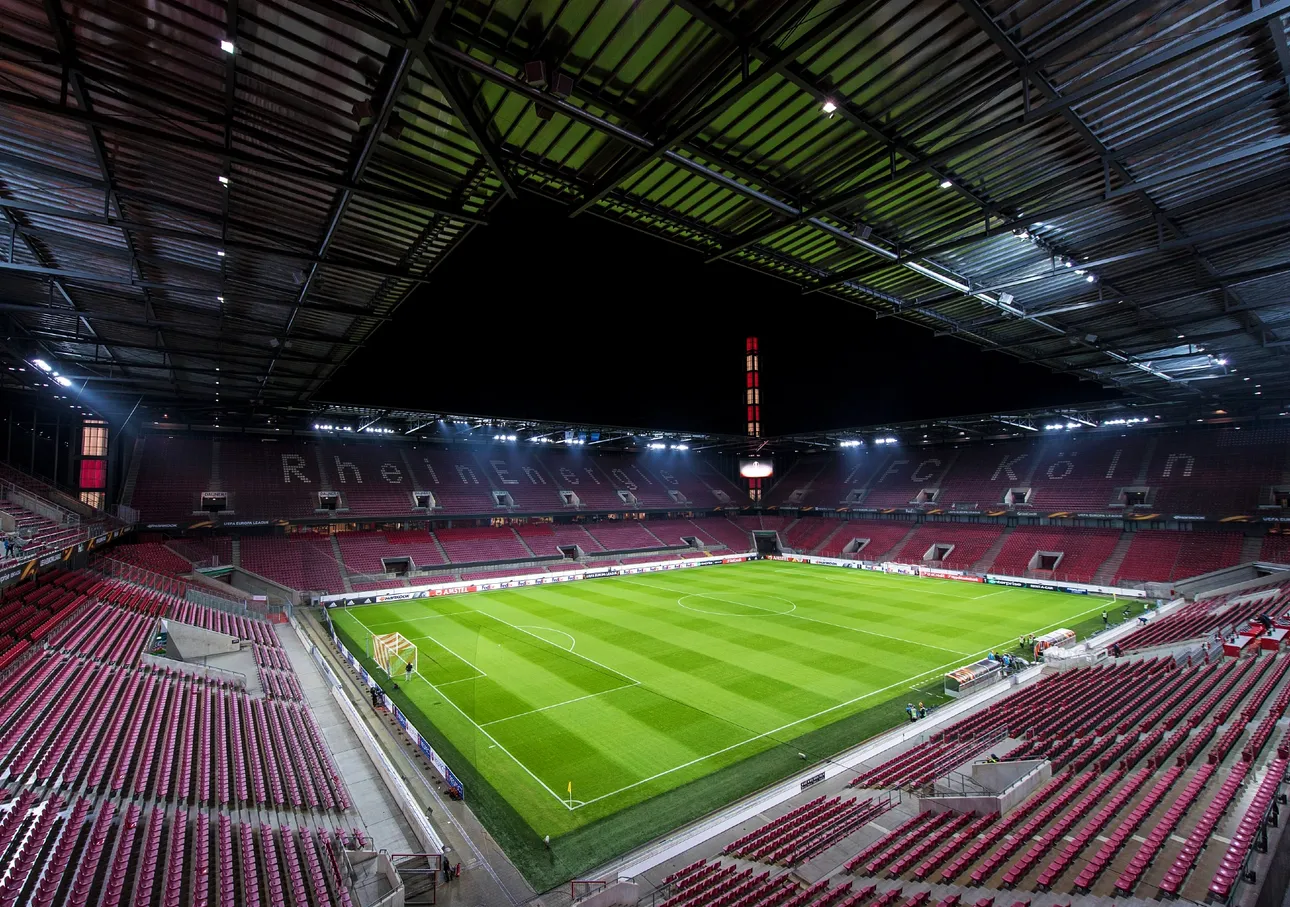
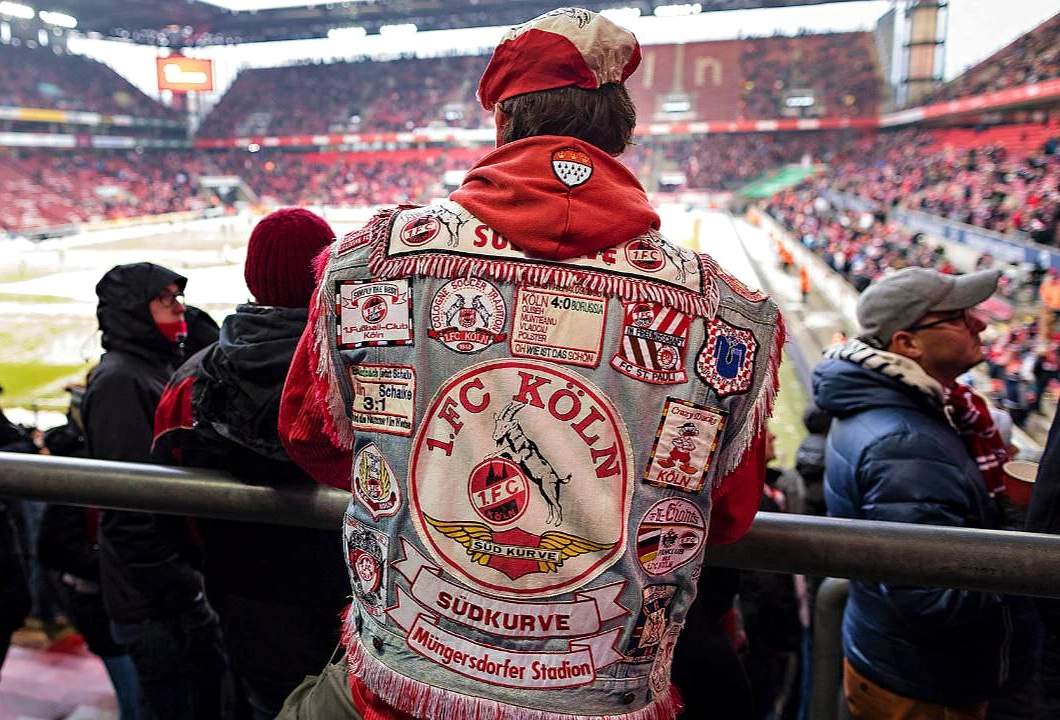
The "RheinEnergieStadion", built on the site of the previous "Müngersdorfer" stadium, opened in 2004. It is the home arena of the football club "Cologne" and was one of the five stadiums that hosted the 2005 Confederations Cup and one of the 12 that hosted the 2006 World Cup. Here, behind closed doors due to the coronavirus epidemic, the final of the 2019/20 Europa League was also held. Notable non-football events include concerts by musicians and bands ranging from Beyoncé to Iron Maiden. The "RheinEnergieStadion" will host five matches of Euro 2024: Hungary vs. Switzerland, Scotland vs. Switzerland, England vs. Slovenia, Belgium vs. Romania, and a round of 16 match.
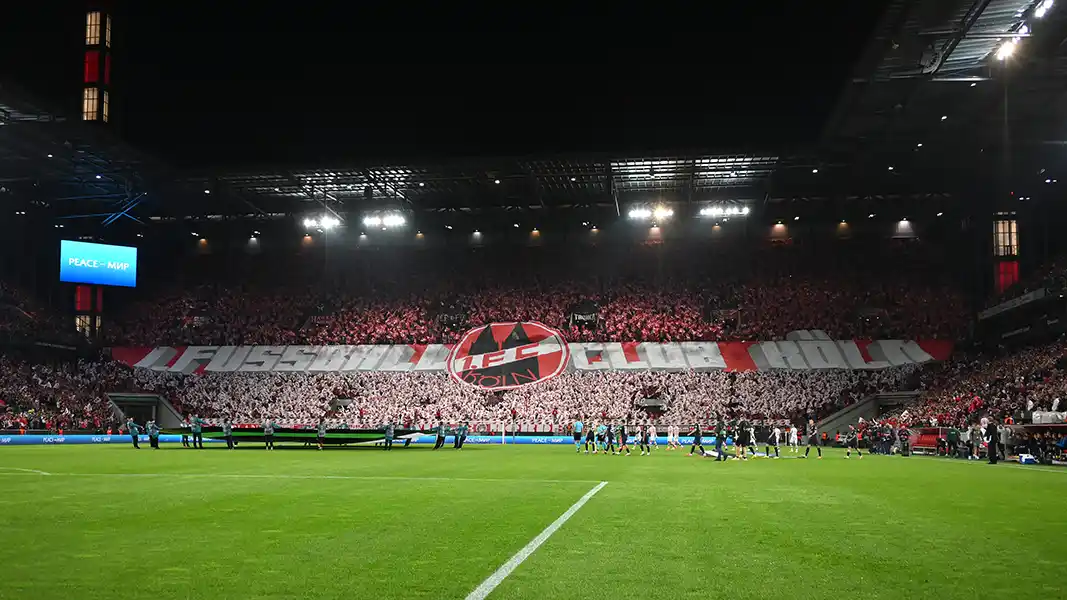
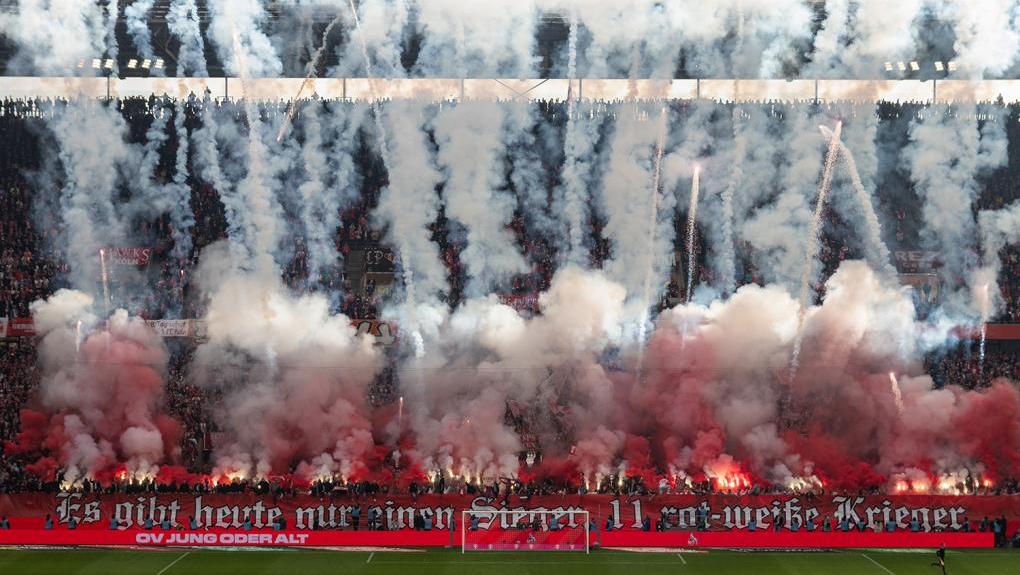
In the football world, Cologne is primarily known for the football club "Cologne", founded in 1948 from the merger of two other teams. Since then, "Cologne" has won the 1962 West German Championship, the Bundesliga in the 1963/64 and 1977/78 seasons, and the German Cup in 1967/68, 1976/77, 1977/78, and 1982/83. In the 1985/86 season, "Cologne" reached the UEFA Cup final, where they lost to Real Madrid.
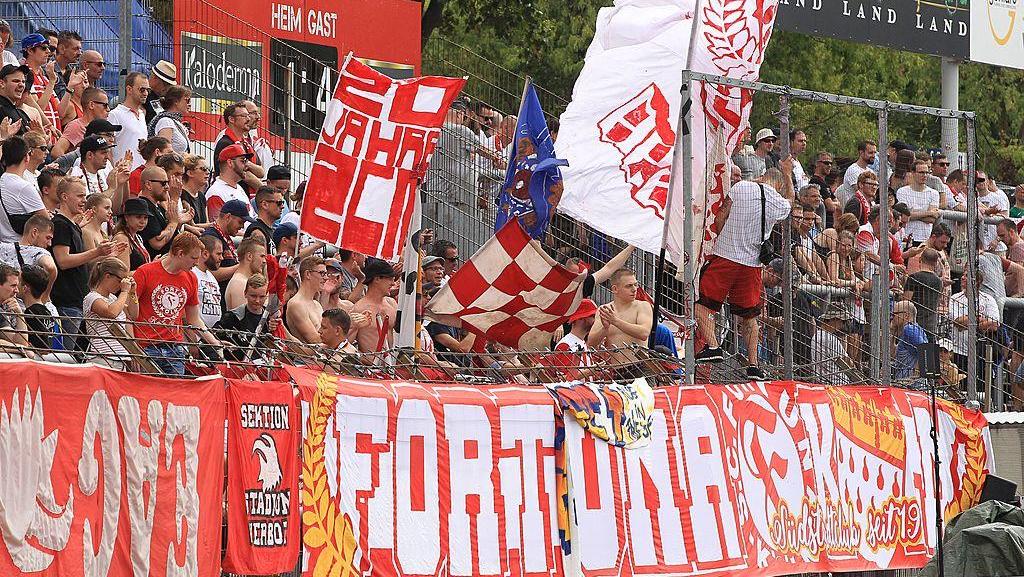
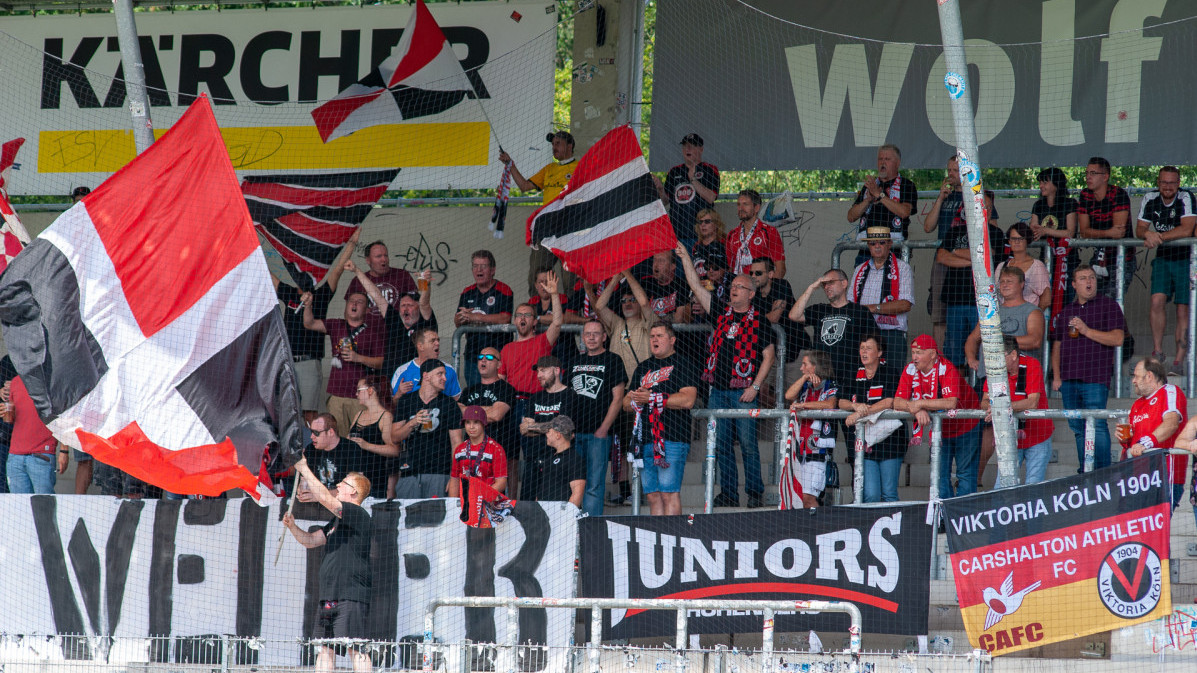
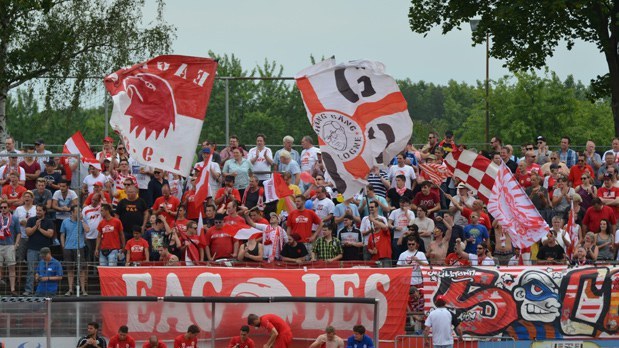
Cologne's competitors, "Viktoria" and "Fortuna", are not as titled but have their successes, devoted fans, and even ultras. The most successful moments in the history of "Fortuna" include promotion to the Bundesliga in 1973 and an impressive run in the 1982/83 German Cup. After several notable victories over top league teams in that cup season, "Fortuna" reached the final, where they lost to their local rivals, "Cologne". The achievements of "Viktoria" are more modest, but unlike "Fortuna", they had the chance to try their hand on the international stage. In the 1962/63 season, they played against "Ferencváros" in the Inter-Cities Fairs Cup, losing to the Hungarians on aggregate.
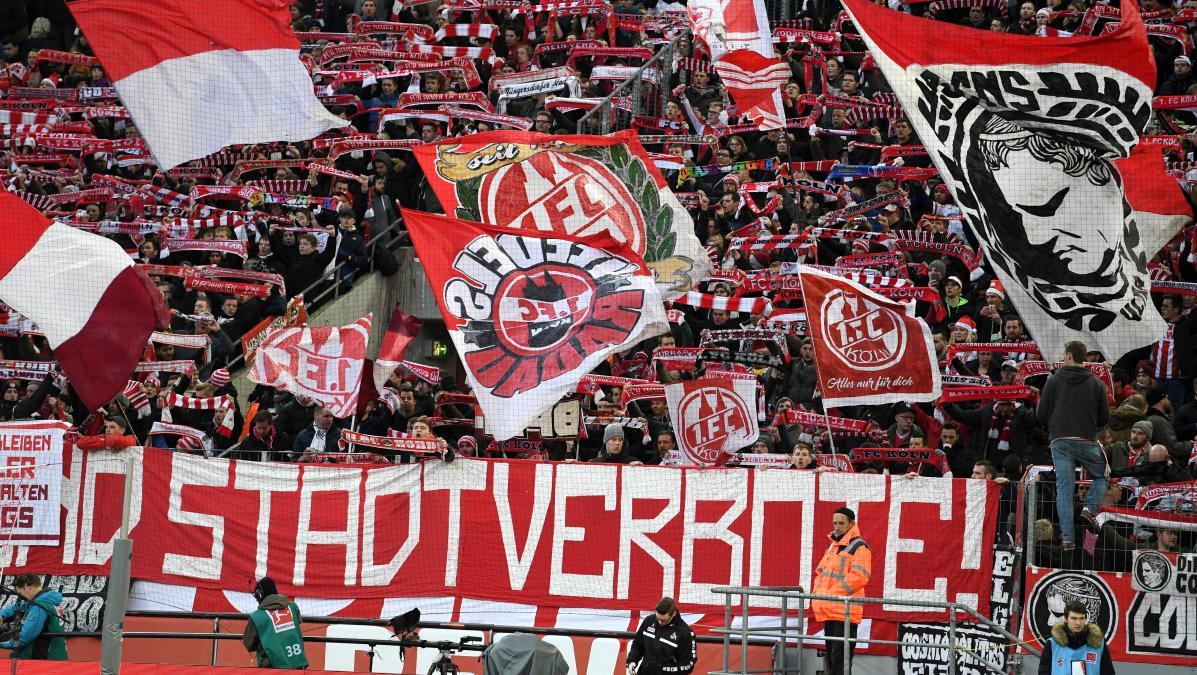
There are many interesting ultras groups in the stands of "Cologne". The main ones are Wilde Horde 1996, Coloniacs, and Domstadt Syndikat 2007. Juniors Höhenberg and Block 11 Höhenberg are responsible for the active support of "Viktoria". The focus on "Fortuna" fan block is on the historic ultras group Fortuna Eagles 1986 and the younger collective SC Mülltonn 98, founded in the late 1990s.
Cologne is easy to fall in love with from the first minutes. This city values life in all its manifestations, enveloping you in an atmosphere of grandeur and refinement. The combination of historical significance, cultural richness, scenic beauty, and modern amenities in Cologne makes it an attractive destination for any traveler.
Cover photo: x.com/uefa