

The "city of bear" is a testament to the country's history: from collapse to its rebirth. Today, it pulsates with untamed energy, resonates with music festivals, ignites with trendy nightclub parties, and sets trends in contemporary art. Berlin epitomizes dozens of subcultures, setting it apart from other German cities. It may look poorer, but it captivates with its soul.
Modern Berlin is divided into 12 districts, each unique. Each district has a self-sufficient life, so complete that locals often don't need to leave their area. Tourists in Berlin are drawn to the Mitte district. Here, you'll find the city's main attractions: the Brandenburg Gate, Berlin TV Tower, Museum Island, Checkpoint Charlie, Friedrichstraße, the government quarter, Pariser and Potsdamer Platz, Berlin Philharmonic, and more. The East Side Gallery, stretching through the Friedrichshain-Kreuzberg district, is also of great interest. Incidentally, this area hosts Berlin's best clubs, buzzing until dawn.
The bear became the symbol of Berlin due to a legend about the city's name origin. According to the legend, the city's founder, architect, and prince Knopp went in search of a place to build his fortress. He promised to name the new city after the first animal he encountered on the construction site. When he found a bear, he named the city Berlin, which in Old German means "place of the bear". Thus, the bear became the city's symbol and is widely used in its coat of arms and symbolism.
Today's Berlin is one of the largest cities in Europe, with a population of nearly 4 million people. Over 14% of the city's residents are from other countries. A quarter of the immigrants are Turks, making their diaspora the largest in Germany. A significant number of first-wave immigrants from former USSR countries live in the districts of former West Berlin.
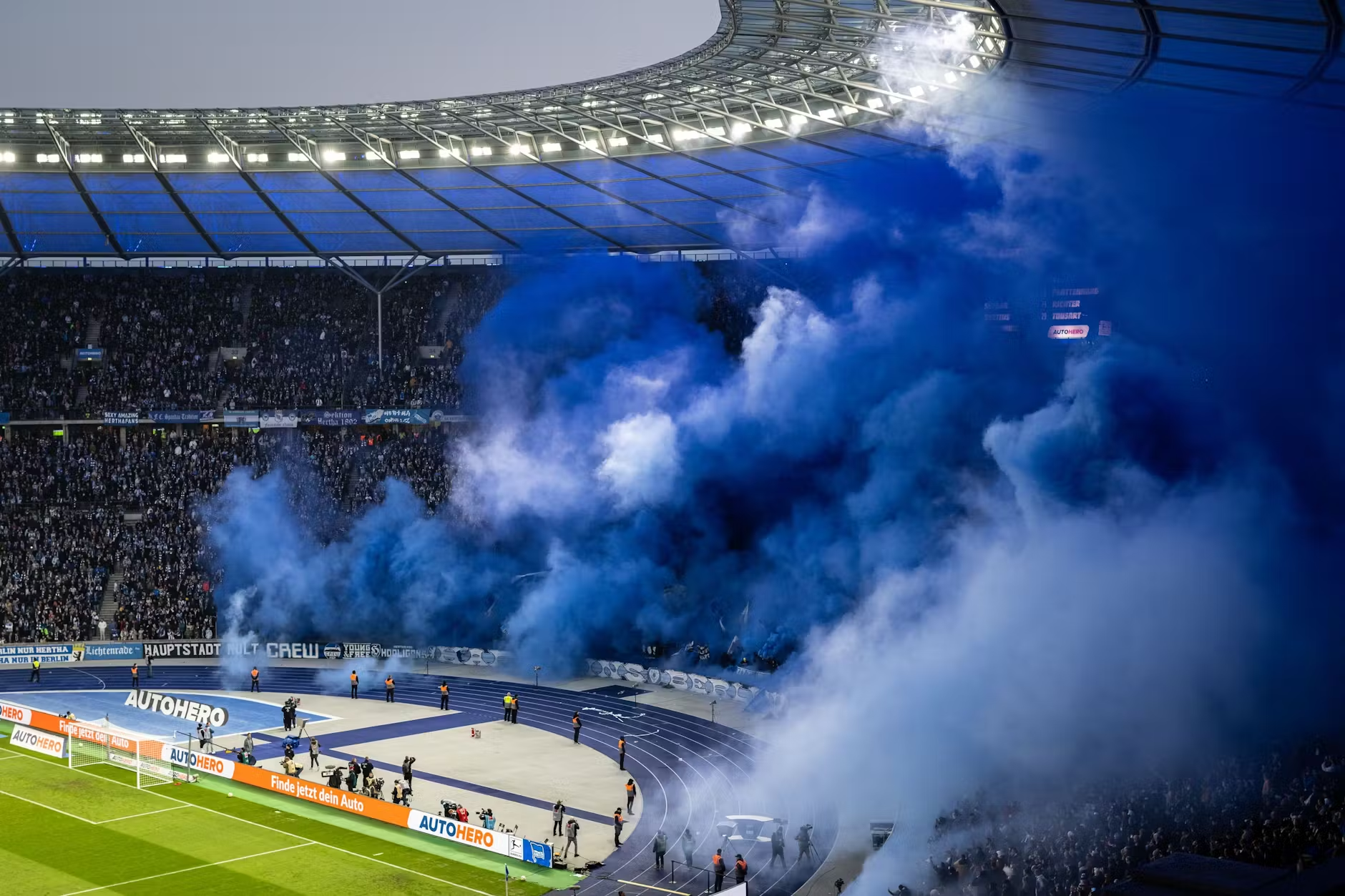
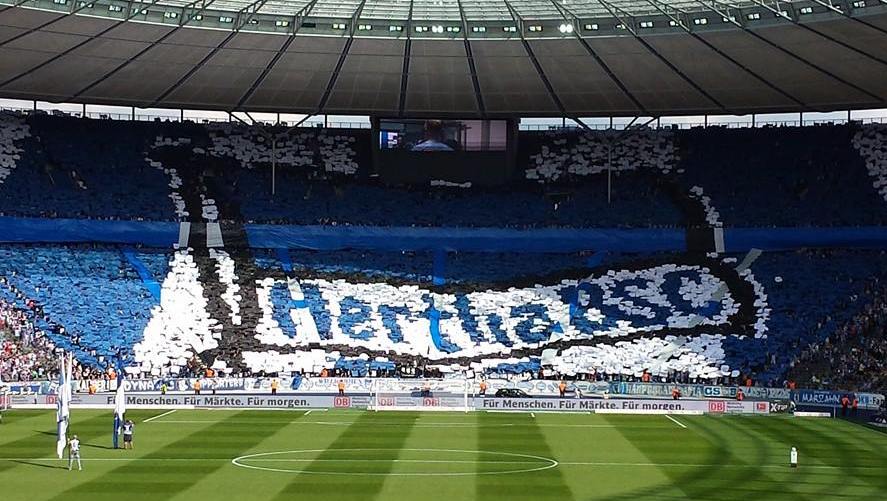
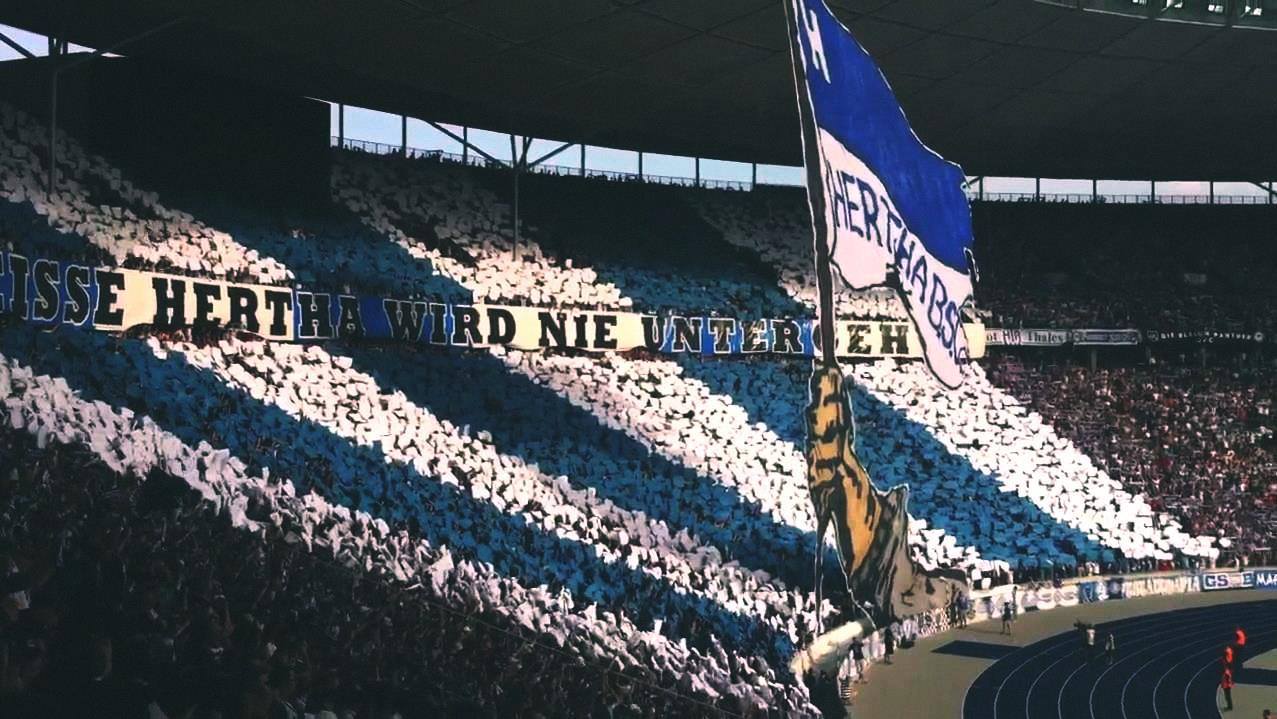
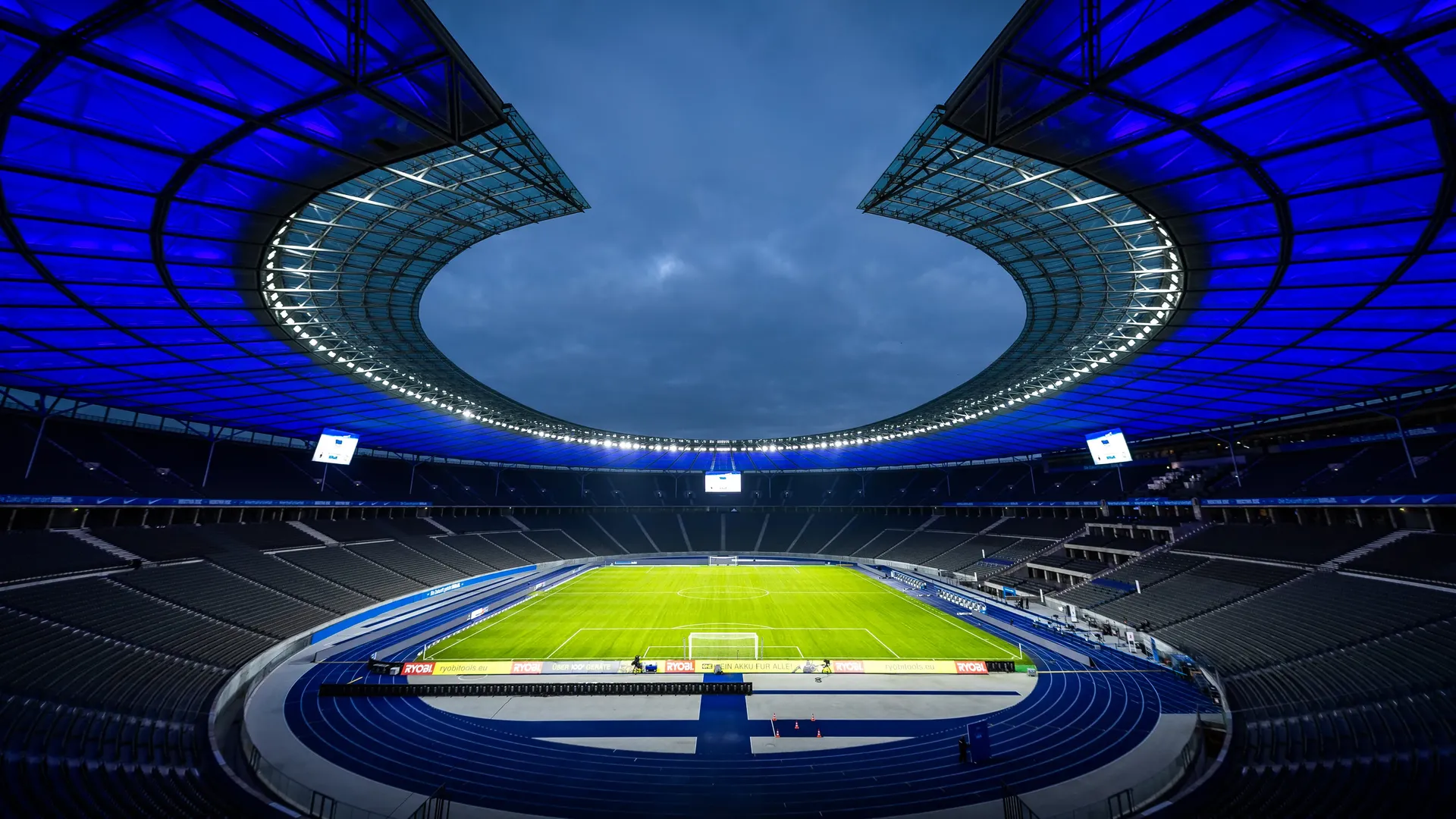
It's fitting that the country's main stadium, where the Euro 2024 final will be held, is located in the capital, which has everything a football fan could desire. The "Olympiastadion", built for the 1936 Summer Olympics, is part of the Olympic Park. This stadium is a treasure for lovers of early 20th-century sports architecture. Since 1963, it has been the home arena for "Hertha". The "Olympiastadion" has hosted matches for the 1974 and 2006 World Cups, including the final, the 2011 Women's World Cup, and the 2015 Champions League final. The German Cup final is held here annually. After its renovation in 2004, the Olympic Stadium has a permanent capacity of 74,475 spectators.
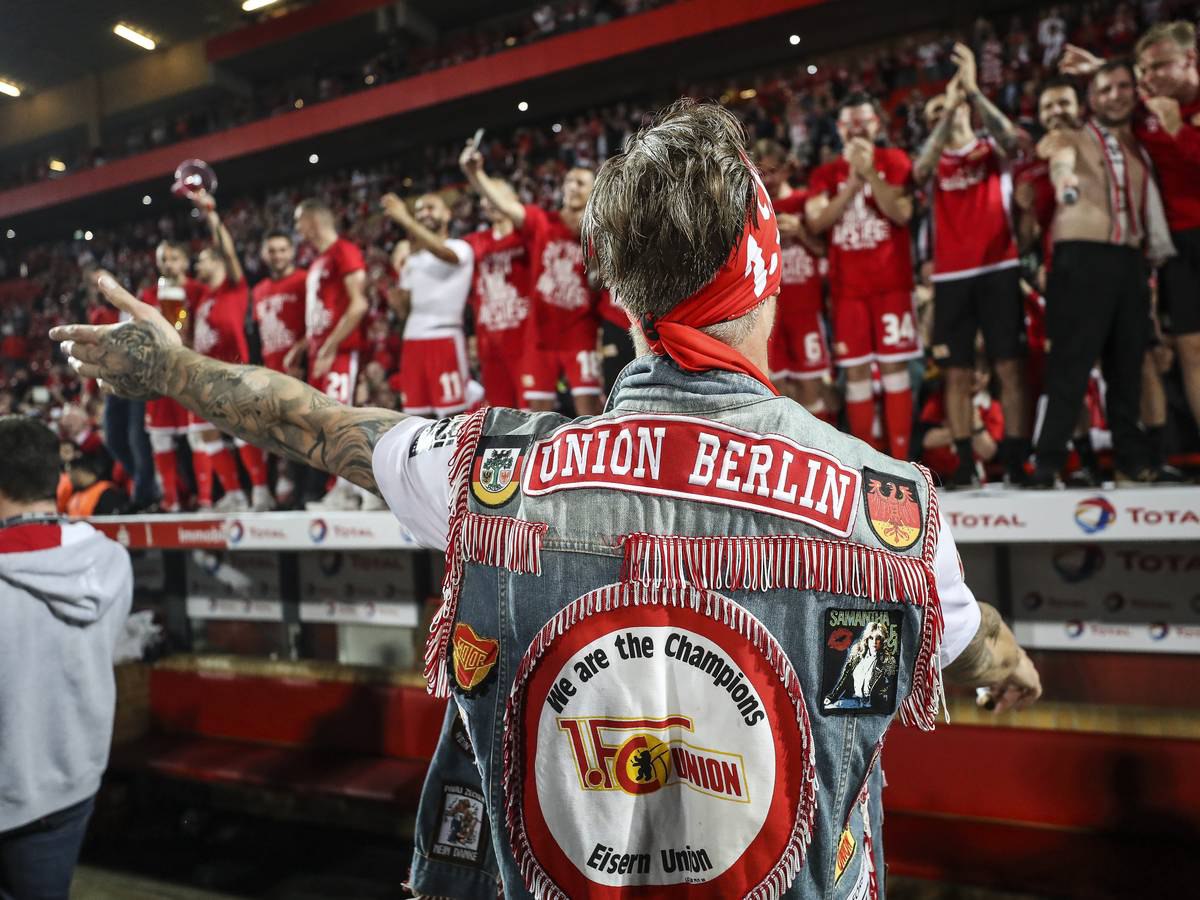
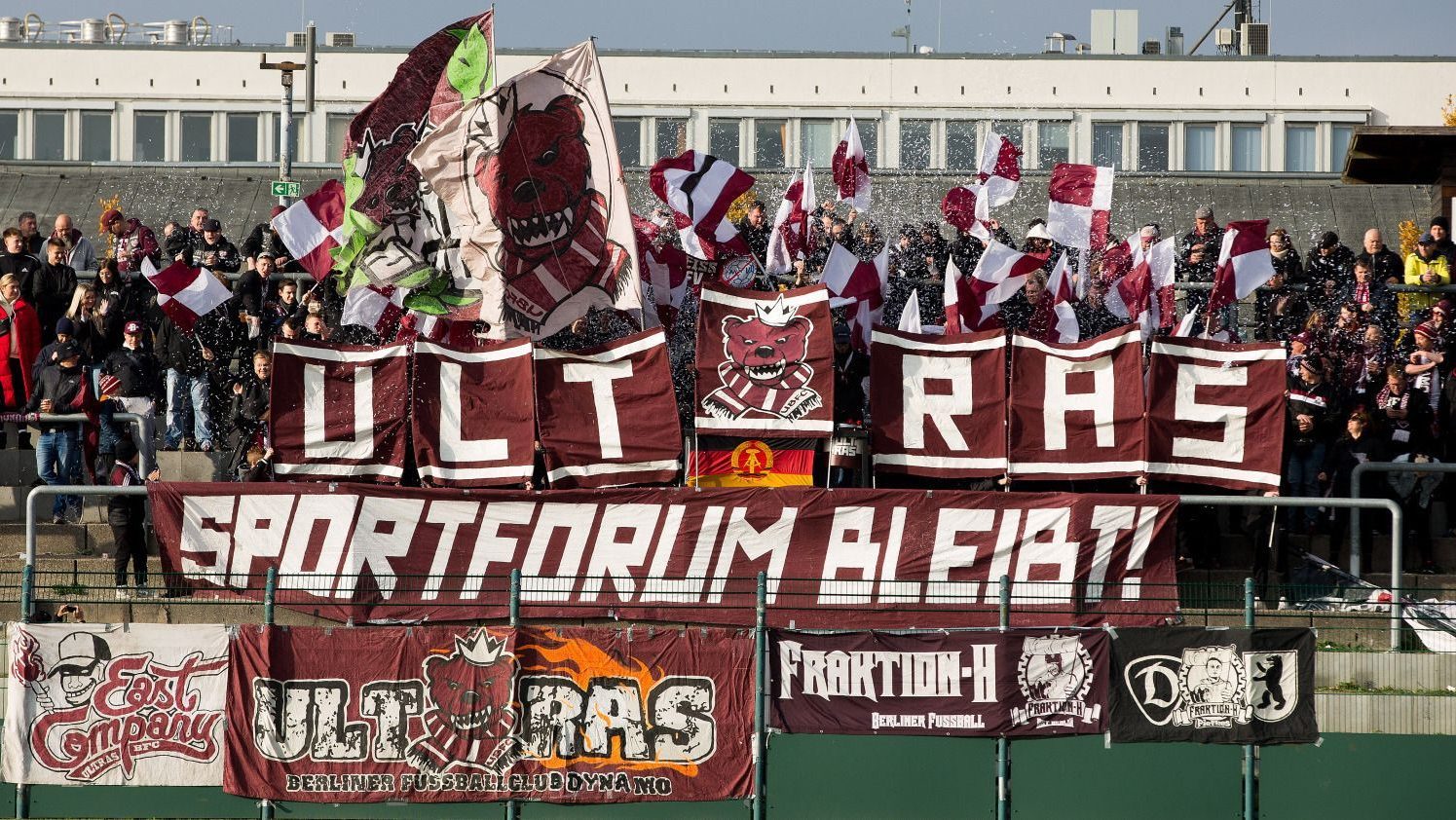
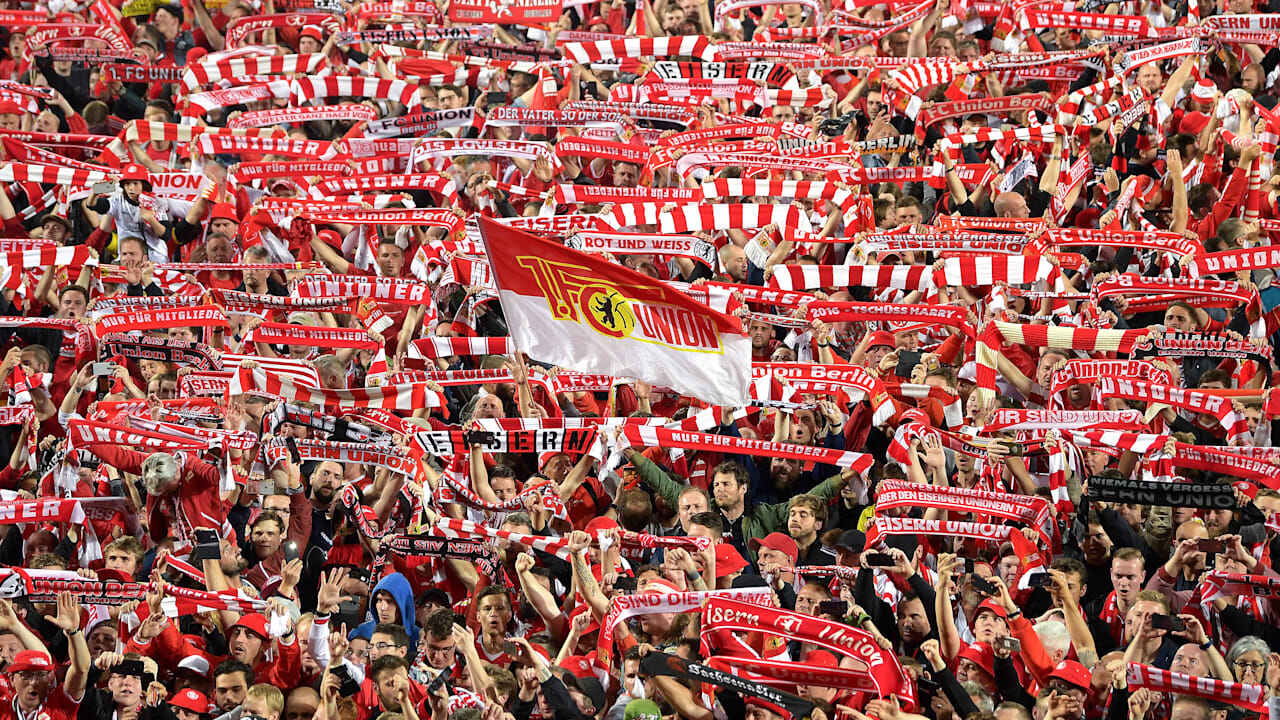
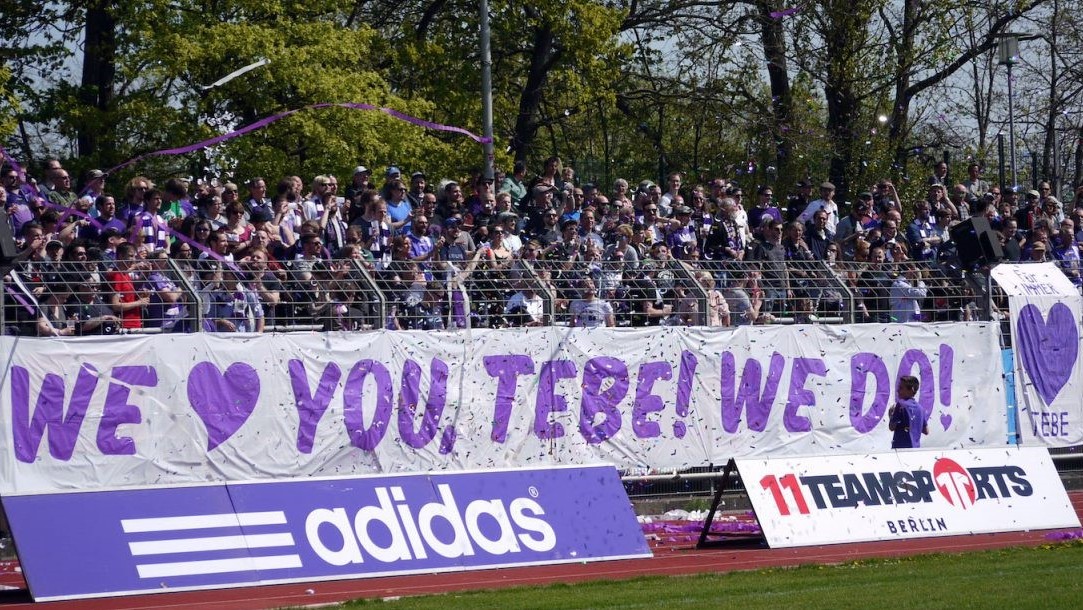
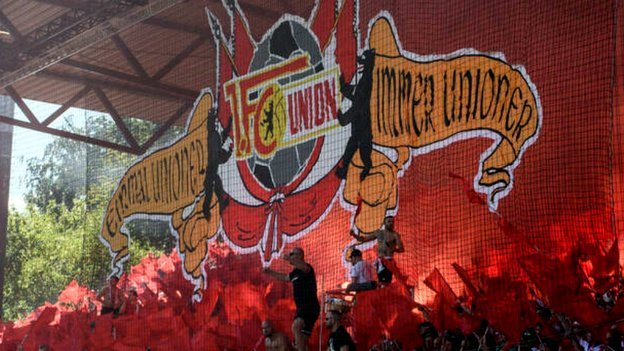
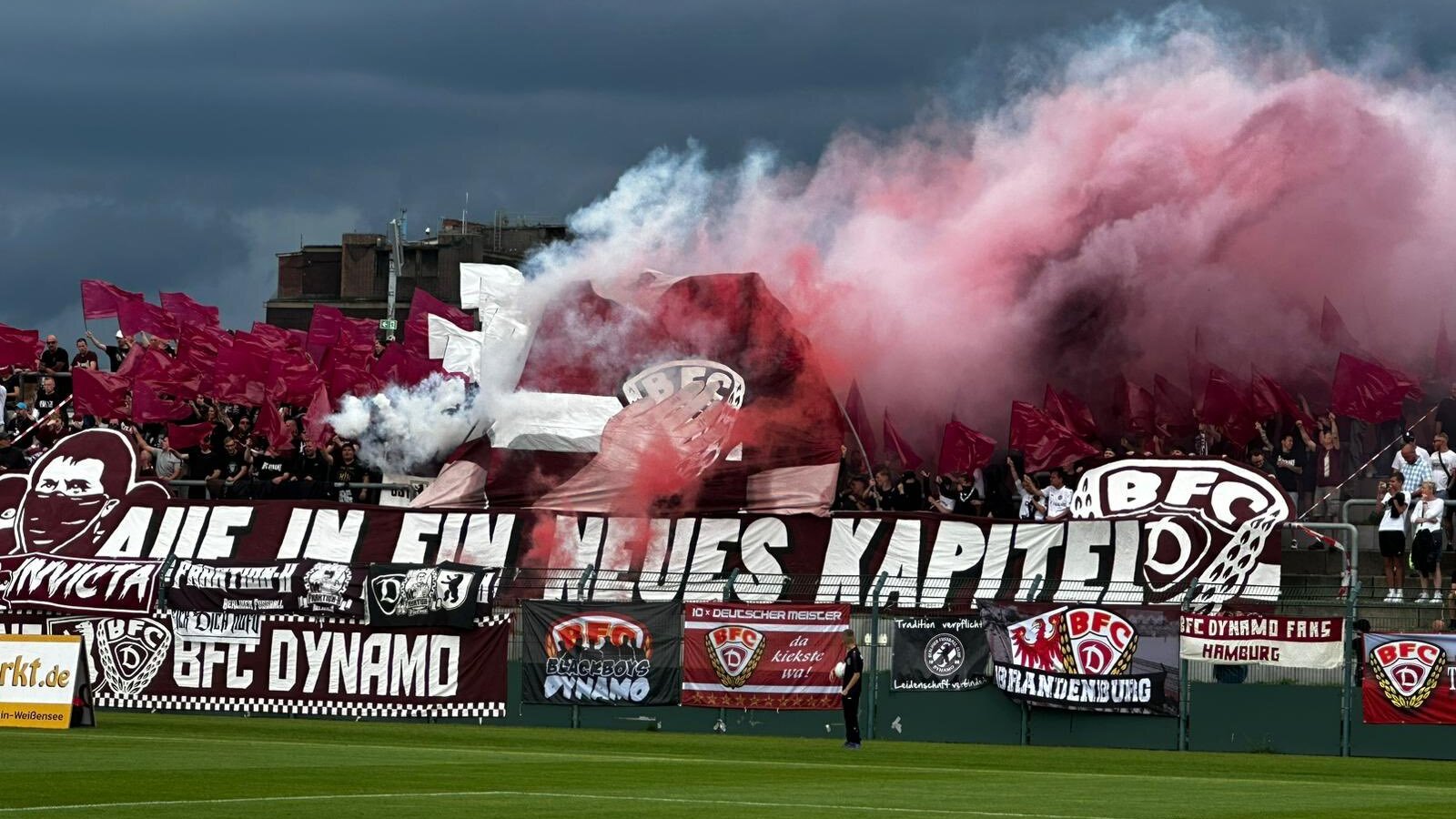
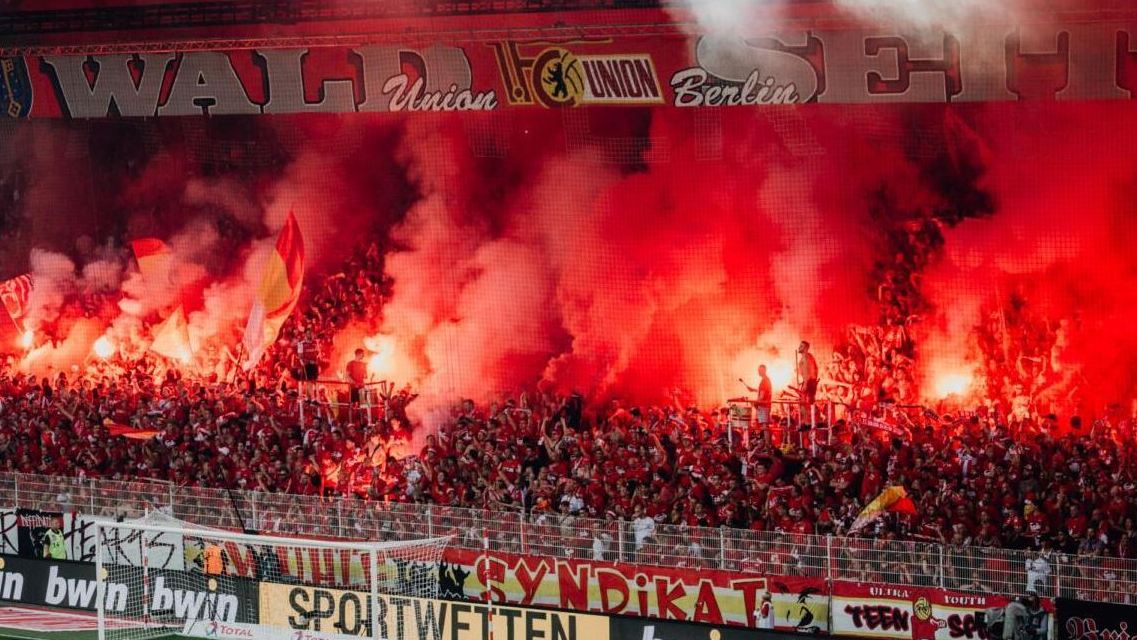
When talking about Berlin's football clubs, at least four must be mentioned: "Hertha", "Union", "Dynamo", and perhaps "Viktoria". "Viktoria" won the German championship twice, though it was over 100 years ago—in 1908 and 1911. "Dynamo" is one of the most successful clubs in East German football, with 10 consecutive championship wins and 3 DDR Cup victories, and numerous international appearances. "Union" is based in Berlin's Köpenick district and, despite having only one significant trophy—the 1967/68 DDR Cup—has a crazy level of support. It boasts the most authentic stadium in the Bundesliga, where standing places outnumber seats, and the hype around it is enormous. "Hertha" has a similar situation. This club, with a massive fan base, won the German championship twice—in 1930 and 1931—but that was before the Bundesliga's creation. Nevertheless, "Hertha" is the flagship of Berlin football.
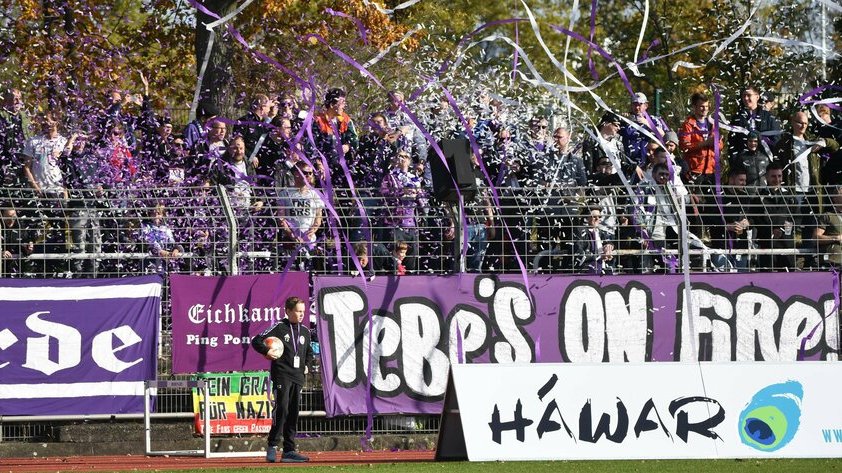
Fanszenes exist for all the mentioned clubs, as well as for "Tennis Borussia", whose fans are known for their far-left views, pride in the club's Jewish traditions, and fight against anti-Semitism, racism, and homophobia. The BFC Dynamo fan scene is also small but interesting. All these groups are overshadowed by Ostkurve Hertha BSC and Szene Köpenick, each with several interesting and reliable friends and many enemies.
Describing Berlin's history in a few paragraphs is impossible. Despite being young compared to other European capitals, Berlin has inscribed its name in nearly every significant historical event in Europe. The entire history of Berlin is etched on the city's streets, and the best way to learn it is to visit in person.